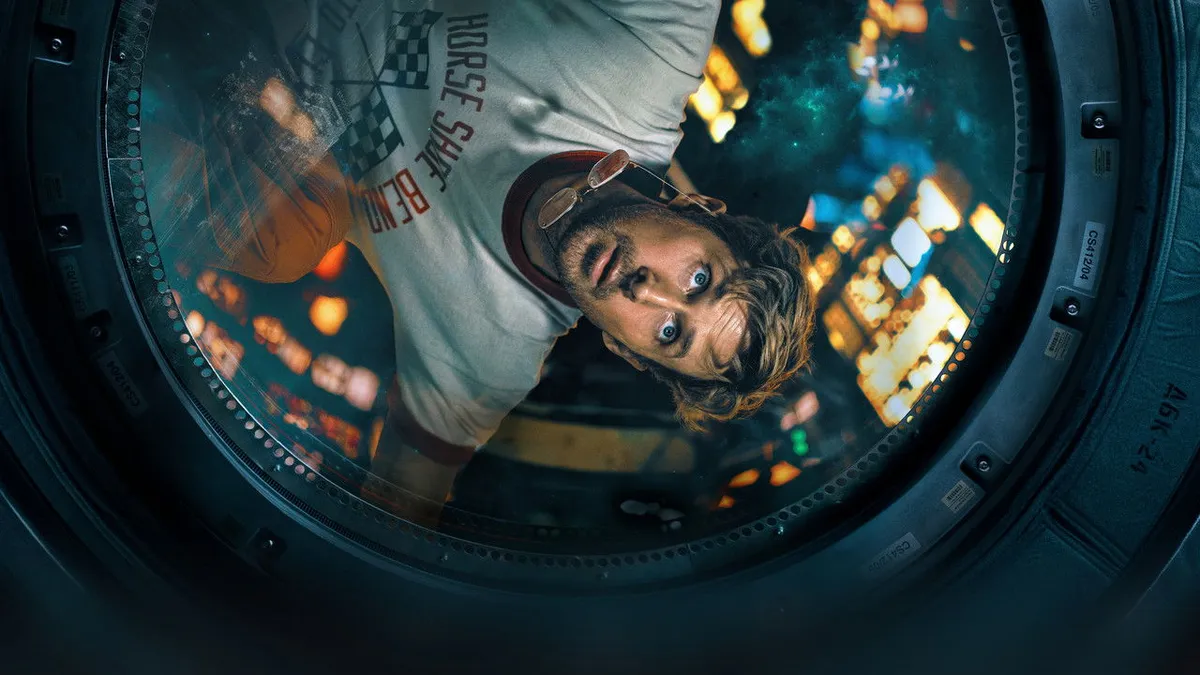
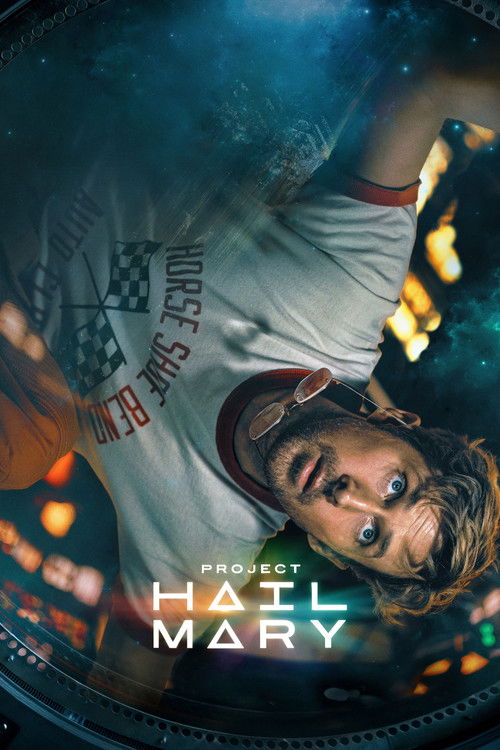
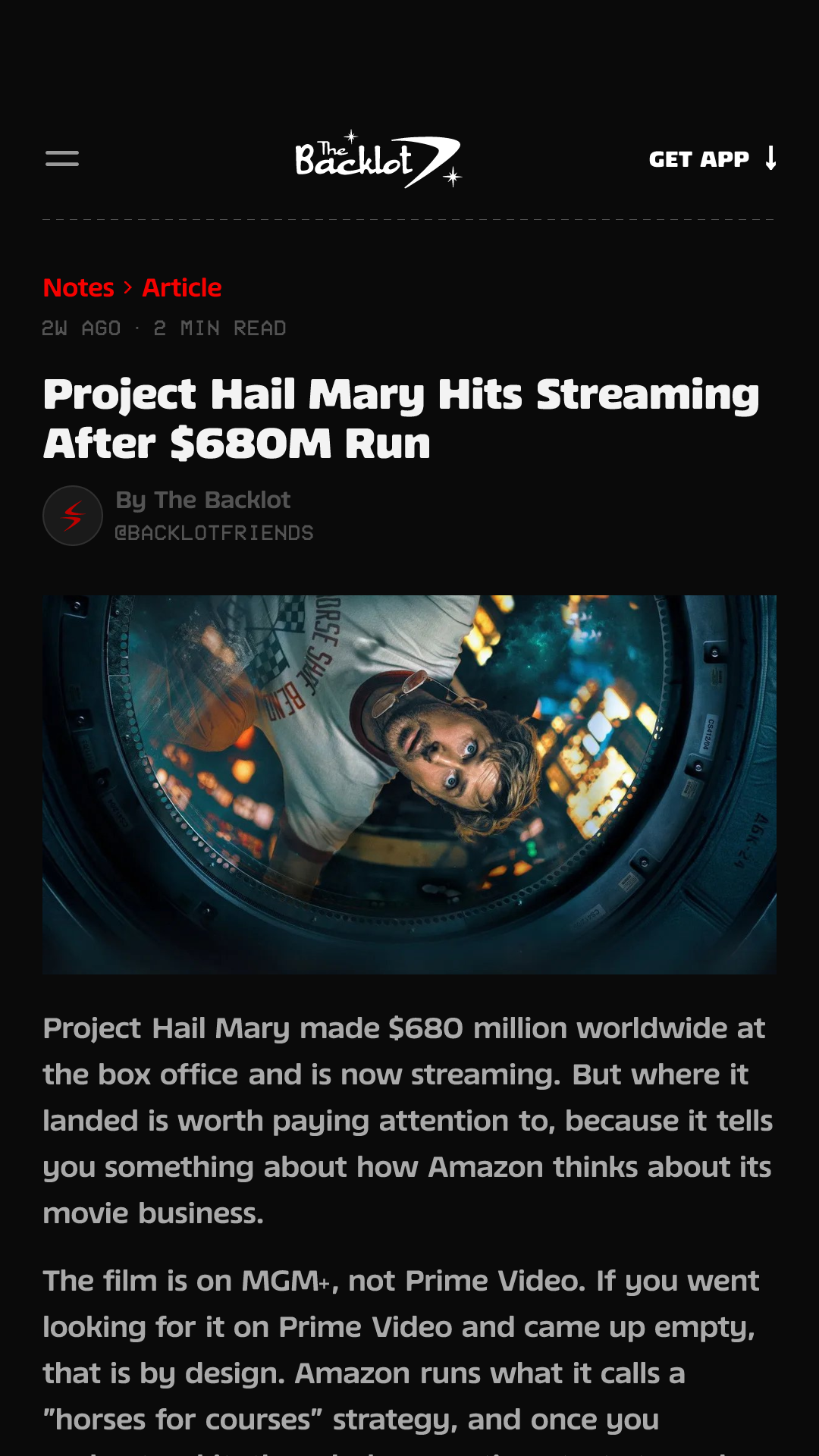
Project Hail Mary made $680 million worldwide at the box office and is now streaming. But where it landed is worth paying attention to, because it tells you something about how Amazon thinks about its movie business.
The film is on MGM+, not Prime Video. If you went looking for it on Prime Video and came up empty, that is by design. Amazon runs what it calls a "horses for courses" strategy, and once you understand it, the whole operation starts to make more sense. Films that were greenlit through the MGM side of the house, which Amazon acquired in 2022, get full theatrical windows and premiere on MGM+ first. Films that Amazon builds specifically as subscriber acquisition tools get shorter theatrical windows and go straight to Prime Video. Project Hail Mary came through the MGM pipeline, so it follows the MGM path.
It is a smart approach, even if it confuses people at first. The theatrical window protects the box office run, which clearly worked here. $680 million is a massive number for a film based on a science fiction novel, even one as beloved as Andy Weir's. Letting it breathe in theaters before moving to streaming means the film earned its full theatrical potential before becoming a catalog title.
Phil Lord and Christopher Miller directed, bringing the same energy that made The Lego Movie and Spider-Verse feel inventive and surprising. Ryan Gosling plays Ryland Grace, a man who wakes up alone on a spaceship with no memory of how he got there or why. The premise sounds simple, but the execution is anything but. The trailer alone hit 400 million views in a single week, which set a record for any non sequel film. That kind of anticipation does not happen by accident. It happens when a great story meets the right team.
If you missed Project Hail Mary in theaters, it is streaming now on MGM+. You will need a subscription to that specific service, but it is worth it. This is one of those films that rewards close attention. The science is detailed and real. The emotional beats land hard. Gosling gives one of his best performances, and I say that as someone who has watched him do remarkable work across a dozen very different kinds of films.
If you already saw it in theaters, consider a rewatch. The science holds up on a second viewing, and you will catch details you missed the first time. Some films get smaller when you see them at home. This one stays big.
No comments yet